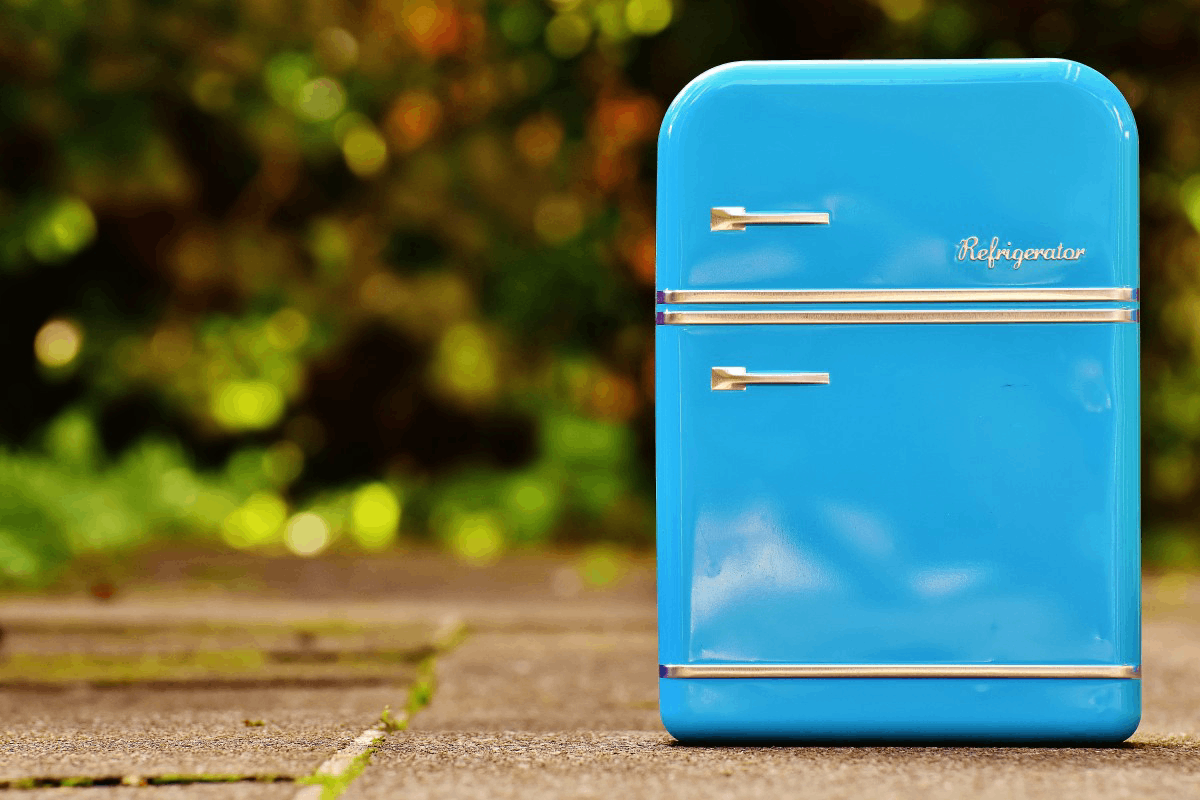
In a world increasingly dominated by digital screens and mass-produced toys‚ a quiet revolution is stirring in homes globally: the resurgence of hands-on creativity. From intricate cosplay to bespoke furniture‚ the maker movement is thriving‚ proving that the deepest satisfaction often springs from crafting something unique with one’s own hands. Even within the miniature universe of dollhouses‚ this spirit of innovation shines brightly. Imagine the sheer delight of a child‚ or indeed an adult‚ watching a meticulously crafted Barbie kitchen sink come to life—a small project‚ yet one that encapsulates immense potential for learning‚ imagination‚ and sustainable living. This isn’t merely about constructing a toy; it’s about fostering problem-solving skills‚ encouraging artistic expression‚ and embracing the profound joy of creation.
The allure of miniature crafting extends far beyond simple aesthetics; it taps into a fundamental human desire to build and personalize. Transforming everyday materials into a functional‚ charming Barbie kitchen sink offers a tangible sense of accomplishment‚ fostering patience and precision. For children‚ it’s an incredibly effective method for developing fine motor skills and spatial reasoning‚ while for adults‚ it provides a meditative escape‚ a chance to disconnect from the digital noise and reconnect with tactile joy; The act of designing‚ cutting‚ gluing‚ and painting‚ all while envisioning the perfect tiny faucet or drain‚ becomes a powerful exercise in imaginative engineering‚ proving that even the smallest endeavors can yield remarkably significant rewards.
| Category | Information |
|---|---|
| Topic Relevance | DIY Miniature Crafting & Creative Play |
| Key Benefits | Skill Development (Fine Motor‚ Spatial Reasoning)‚ Creative Expression‚ Problem-Solving‚ Sustainability‚ Stress Relief‚ Personalization |
| Target Audience | Parents‚ Educators‚ Hobbyists‚ Children (with supervision)‚ DIY Enthusiasts |
| Materials Typically Used | Cardboard‚ Foam board‚ Polymer Clay‚ Craft Sticks‚ Bottle Caps‚ Wire‚ Paint‚ Glue‚ Recycled Plastics |
| Educational Value | Promotes STEM concepts (design‚ engineering)‚ encourages artistic talent‚ teaches resourcefulness and patience. |
| Reference Link | DIY Network: Miniature Furniture Crafts |
The Art of Miniature Engineering: Designing Your Dream Barbie Kitchen Sink
Embarking on the journey to create a Barbie kitchen sink begins with a vision. Like an architect drafting blueprints for a grand edifice‚ you first sketch your miniature masterpiece. Consider the scale: Barbie dolls typically stand at 11.5 inches‚ implying a 1:6 scale for most accessories. This foundational understanding guides material selection and dimensional accuracy. Will your sink be a sleek‚ modern basin or a charming‚ rustic farmhouse style? By integrating insights from existing dollhouse designs and even real-world kitchen aesthetics‚ crafters can conceptualize a piece that is both functional and aesthetically pleasing within its tiny domain.
Factoid: The first Barbie doll‚ introduced by Mattel in 1959‚ was inspired by a German doll named Bild Lilli. Her initial accessories were often simple‚ but the world of Barbie has since expanded to include incredibly detailed and diverse miniature environments‚ fueling a robust market for both official and custom-made items.
The materials chosen play a pivotal role in the final outcome. Many crafters opt for readily available‚ often recycled‚ items. Think sturdy cardboard from old packaging‚ foam board for structural integrity‚ or even polymer clay for intricate details like faucets and knobs. Plastic bottle caps can be repurposed into surprisingly convincing basins‚ while craft sticks or thin balsa wood can form the base cabinetry. The beauty lies in resourcefulness‚ transforming humble components into something truly special.
Step-by-Step: Crafting Your Miniature Masterpiece
The actual construction process‚ while demanding attention to detail‚ is incredibly rewarding. Here’s a simplified breakdown of the general steps involved in bringing a Barbie kitchen sink to life:
- Design & Measure: Sketch your sink‚ deciding on dimensions (length‚ width‚ depth) appropriate for Barbie’s scale.
- Gather Materials: Collect cardboard‚ foam board‚ bottle caps‚ wire (for faucet)‚ glue (PVA or hot glue)‚ paint‚ and any decorative elements.
- Cut & Assemble the Base: Cut pieces for the cabinet structure from cardboard or foam board. Assemble them using strong adhesive‚ ensuring square corners for stability.
- Create the Sink Basin: A plastic bottle cap or a small‚ shallow container makes an excellent basin. Secure it within a cutout on the cabinet top.
- Fashion the Faucet & Knobs: Use wire‚ beads‚ or small pieces of polymer clay to sculpt a faucet and separate knobs. Attach them securely above the sink.
- Paint & Decorate: Apply primer if necessary‚ then paint your sink unit in desired colors. Add details like a backsplash‚ tiny handles‚ or even a miniature dish rack.
- Seal (Optional): A clear sealant can protect the paint and give a more finished look.
The process encourages experimentation. Perhaps you’ll discover that a piece of aluminum foil‚ carefully molded‚ makes a brilliant metallic sink‚ or that tiny beads can simulate water droplets. Each choice‚ each tiny adjustment‚ contributes to the unique character of your creation.
Beyond the Craft: The Broader Impact of DIY Play
The act of making a Barbie kitchen sink transcends mere crafting; it embodies a philosophy of empowerment and sustainability. In an era of disposable goods‚ creating something durable and meaningful from scratch offers a powerful counter-narrative. It teaches children the value of resources‚ the concept of upcycling‚ and the sheer satisfaction of bringing an idea to fruition. This hands-on engagement is something that leading educators consistently emphasize as crucial for holistic child development.
Factoid: Studies show that engaging in creative hobbies like crafting can significantly reduce stress and anxiety in adults‚ promoting mindfulness and improving overall well-being. For children‚ it boosts cognitive flexibility and problem-solving skills.
Moreover‚ participating in such projects fosters a sense of agency. Children learn that they don’t have to wait for commercial products to fulfill their imaginative needs; they can actively shape their play environment. This cultivates independent thinking and resourcefulness‚ skills that are incredibly valuable in all aspects of life. The joy derived from playing with a self-made toy is often far deeper and more enduring than that from a store-bought item‚ imbued as it is with personal effort and creativity.
The Future of Play: Customization and Sustainability
The trend towards personalized and sustainable play is not merely a passing fad; it represents a significant shift in consumer values and educational priorities. The toy industry itself is increasingly recognizing the demand for products that encourage creativity‚ open-ended play‚ and environmental consciousness. By embracing DIY projects like crafting a Barbie kitchen sink‚ families are not only enriching their own lives but also contributing to a larger movement that values ingenuity‚ craftsmanship‚ and a greener future. This forward-looking approach to play promises a richer‚ more engaging‚ and ultimately more meaningful experience for generations to come.
- Encourages Eco-Consciousness: Utilizing recycled materials reduces waste and teaches children about environmental responsibility.
- Boosts Self-Esteem: Completing a project‚ especially one that requires skill and patience‚ significantly enhances a child’s confidence.
- Fosters Family Bonding: Crafting together provides quality time‚ shared goals‚ and lasting memories for families.
- Develops Unique Aesthetic Sense: Children and adults alike refine their taste and design preferences through hands-on creation.
Frequently Asked Questions About Crafting a Barbie Kitchen Sink
Q1: What is the best type of glue to use for miniature crafting?
A1: For general assembly‚ strong craft glues like PVA (white school glue) or wood glue work well‚ especially for cardboard or wood. For quicker bonding or more intricate details‚ a low-temperature hot glue gun can be incredibly effective‚ though adult supervision is crucial when children are involved. Super glue is suitable for very small‚ precise attachments but requires careful handling.
Q2: How can I make my Barbie kitchen sink look more realistic?
A2: To enhance realism‚ focus on details. Use metallic paints for faucets and handles‚ and consider adding a clear gloss coat to the sink basin to mimic water. Small details like tiny sponges‚ dish soap bottles (made from beads or clay)‚ or even a miniature drain stopper can dramatically improve the overall effect. Texturing the surfaces or adding a subtle wash of darker paint for shadows can also add depth.
Q3: Are there any safety considerations when crafting with children?
A3: Absolutely. Always supervise children‚ especially when using sharp tools like craft knives or scissors‚ and hot glue guns. Ensure good ventilation when painting or using strong adhesives. Choose non-toxic paints and materials. Teach children proper handling of tools and emphasize safety first. Simpler projects with pre-cut shapes might be more suitable for younger children.
Q4: Can I use different materials besides cardboard for the sink?
A4: Definitely! The beauty of DIY is customization. You can use polymer clay to sculpt the entire sink and cabinet‚ which can then be baked for durability. Thin sheets of plastic (from recycled containers)‚ balsa wood‚ or even dense foam can also be excellent alternatives‚ offering different textures and finishes. Experimentation is key to discovering your preferred materials and techniques.
Q5: How long does it typically take to make a Barbie kitchen sink?
A5: The time required varies greatly depending on the complexity of your design‚ your crafting experience‚ and the drying time for paints and glues. A simple sink might take a few hours of active crafting spread over a day‚ allowing for drying. More elaborate designs with intricate details could extend over several days as you refine each component. Enjoy the process rather than rushing the outcome!